
1. Seti ma Fa'apipi'i
Careful setup ensures optimal performance and longevity of your Liebherr bottle cooler.
1.1 Tatalaina
Remove all packaging materials, including protective films and transport safety devices. Inspect the appliance for any transport damage. If damage is found, do not connect the appliance and contact your supplier immediately.
1.2 Tulaga
- Place the appliance on a firm, level surface to ensure stability. Use the adjustable feet to level the unit if necessary.
- Ensure adequate ventilation. Maintain a minimum clearance of 5 cm (2 inches) around the sides and back of the appliance for proper air circulation. Do not block ventilation openings.
- Avoid direct sunlight and proximity to heat sources such as radiators, ovens, or cooktops, as these can increase energy consumption.
- The appliance is designed for indoor use. Do not install it in damp po'o nofoaga susu.
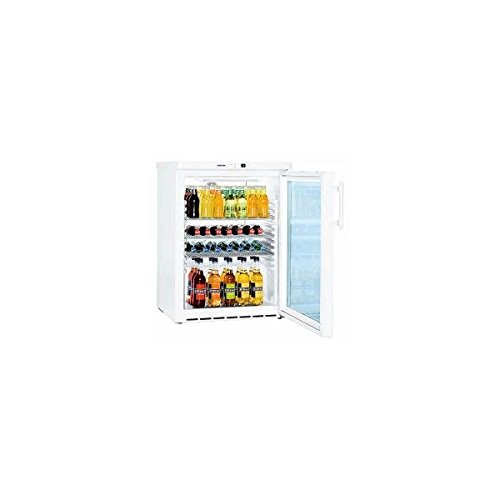
Image 1: Liebherr FKUV 1612-21 Bottle Cooler. This image shows the exterior of the bottle cooler, highlighting its compact design suitable for semi-industrial use.
1.3 Fa'amamaina Muamua
Before first use, clean the interior and all accessories with lukewarm water and a mild detergent. Rinse thoroughly and dry completely.
1.4 So'oga Fa'aeletise
Connect the appliance to a properly installed earthed socket. Ensure the voltage and frequency match the specifications on the rating plate. Do not use extension cords or multiple sockets.
1.5 Amata Amata
After connecting to power, allow the appliance to run empty for approximately 2-3 hours to reach the desired operating temperature before loading bottles.
2. Fa'atonuga o Galuega
Understanding the controls and features will help you maintain optimal conditions for your beverages.
2.1 Puleaina o le vevela
The bottle cooler is equipped with an adjustable thermostat. To set the desired temperature, rotate the thermostat dial located inside the appliance. Turning the dial towards higher numbers typically results in colder temperatures. Allow several hours for the temperature to stabilize after adjustment.
2.2 utaina Fagu
- Distribute bottles evenly on the shelves to ensure proper air circulation and prevent overloading any single shelf.
- Avoid blocking the internal fan or air vents, as this can impair cooling performance.
- Do not place hot items directly into the cooler; allow them to cool to room temperature first.
2.3 Molī totonu
If your model includes internal lighting, it is typically controlled by a switch located near the light fixture or on the control panel. Use the lighting to illuminate the contents as needed.
3. Tausia ma Tausiga
Regular maintenance ensures hygienic operation and extends the lifespan of your appliance.
3.1 Fa'amamaina o totonu
- Aveese le masini mai le eletise a'o le'i fa'amamā.
- Clean the interior regularly with lukewarm water and a mild, pH-neutral detergent. Avoid abrasive cleaners or solvents.
- Pay special attention to door seals; clean them with clear water and dry thoroughly to maintain their elasticity and sealing properties.
- Dry all surfaces completely before reconnecting power.
3.2 Fa'amamaina o fafo
Solo le pito i fafo i se mea vaivai, oamp cloth. For stainless steel surfaces, use a specialized stainless steel cleaner if necessary, following the product instructions.
3.3 Fa'a'aisa
This appliance features automatic defrosting. The evaporator thaws automatically, and the resulting condensation water evaporates. Ensure the drain opening at the back of the interior is not blocked to allow water to flow freely.
4. Faʻafitauli
A'o le'i fa'afeso'ota'i le 'au'aunaga fa'atau, fa'amolemole siaki fa'afitauli masani nei ma fofo:
- Appliance does not cool:
- Check if the power plug is correctly inserted into the socket.
- Verify if the fuse in your household electrical system is intact.
- Ensure the temperature control is set correctly and not turned off.
- E le lava le malulu o le vevela:
- Atonu e le tapunia lelei le faitotoa.
- Too much warm air may be entering due to frequent door openings.
- The ventilation openings might be blocked.
- Atonu e maualuga tele le vevela o le siosiomaga.
- The temperature setting might be too high (adjust to a colder setting).
- Pio e le masani ai:
- Ia mautinoa o lo'o lelei ma mautu le masini.
- Check if any objects inside are vibrating against each other.
- Normal operating noises include gurgling (refrigerant flow) and clicking (thermostat).
- Excessive condensation or ice formation:
- Ensure the door seal is clean and intact.
- Avoid leaving the door open for extended periods.
- Check if the drain opening for condensation water is clear.
If the problem persists after checking these points, please contact Liebherr customer service.
5. Fa'amatalaga Fa'apitoa
Key technical data for the Liebherr FKUV 1612-21 bottle cooler:
| Fa'aaliga | Fa'amatalaga |
|---|---|
| Numera Fa'ata'ita'i | FKUV 1612-21 |
| Fa'ailoga | Liebherr |
| Malosiaga | 141 lita |
| Fua (H x W x D) | 83 x 60 x 61.5 cm |
| Oloa mamafa | 41 kilokalama |
| Savili | Faʻamamaina |
| Ituaiga | Semi-Industrial Bottle Cooler |
6. Fa'amatalaga Fa'amaonia
Liebherr appliances are manufactured to the highest quality standards. This product comes with a manufacturer's warranty covering defects in materials and workmanship under normal use. The specific terms and duration of your warranty may vary by region and purchase date. Please refer to the warranty card included with your appliance or visit the official Liebherr webnofoaga mo faʻamatalaga auiliili.
To make a warranty claim, you will typically need your proof of purchase (receipt or invoice) and the appliance's model and serial number.
7. Lagolago Tagata Fa'atau
For further assistance, technical support, or to schedule service, please contact Liebherr customer service:
- Webnofoaga: Visit the official Liebherr webnofoaga mo lau itulagi (fa'ata'ita'iga, fale.liebherr.com) for FAQs, service locator, and contact details.
- Telefoni: Refer to your local Liebherr contact information provided in the documentation accompanying your appliance.
- Talosaga Auaunaga: Online service request forms are often available on the Liebherr webnofoaga.
When contacting support, please have your model number (FKUV 1612-21) and serial number ready to expedite the process.